Google’s New Learning Hub Puts Offline Access in Focus
What does digital education need on an unreliable connection? An independent look at continuity, data costs and demonstrable skills.
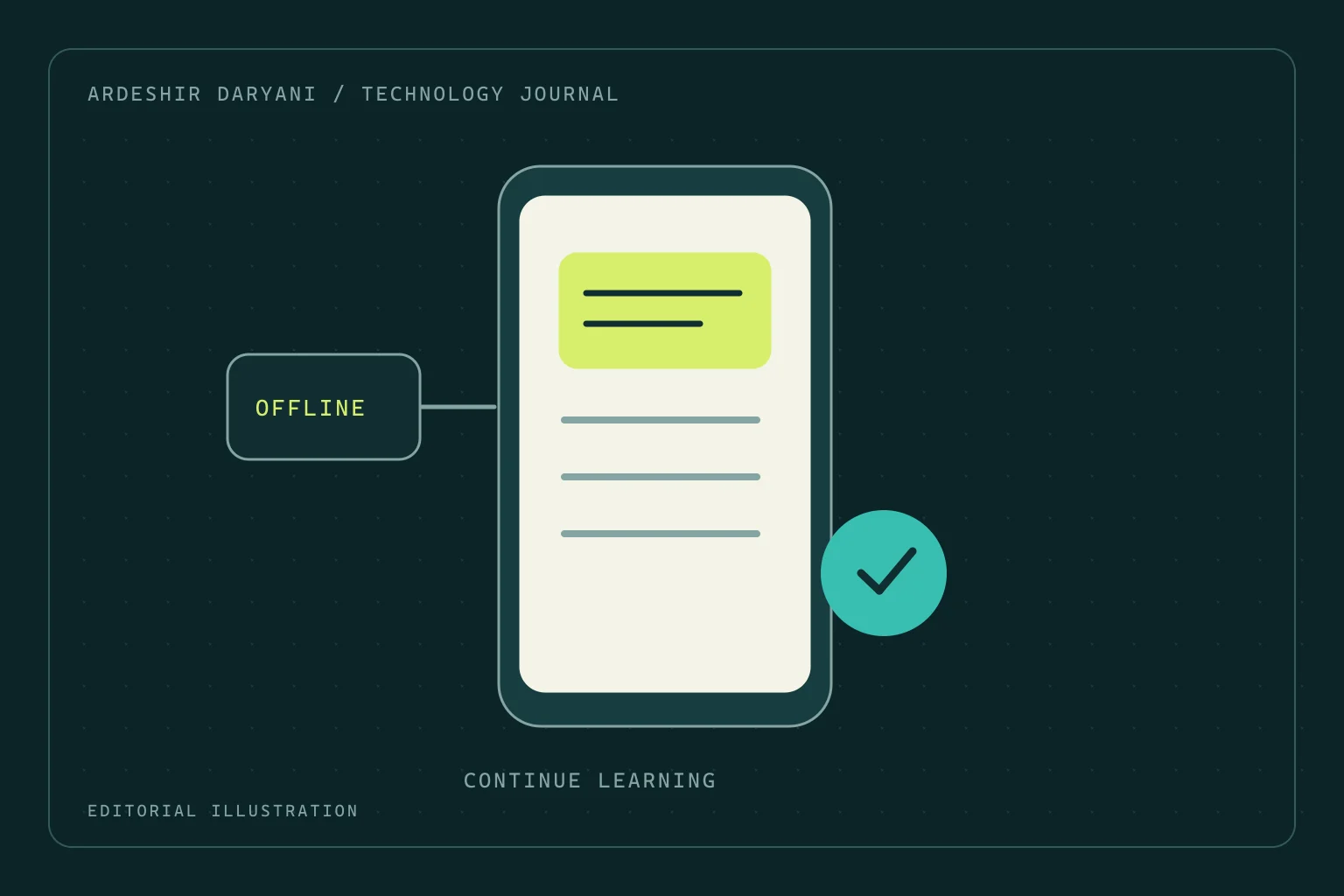
Original source: Google Africa Blog · News date: 2026-11-02
Confirmed news
Google launched Skilling Africa, a digital and AI skills learning hub that includes offline lessons.
Editorial analysis
For our editorial team, the useful design question is what happens when the internet stops cooperating. In a hypothetical branch-staff training program, a service that works only on a stable connection may be abandoned precisely when it is needed. Continuing after disconnection can make a commute or a gap between shifts useful learning time. That is a design interpretation; it does not establish that every intelligent feature on this platform runs without connectivity.
To assess any comparable system, we would test an entire journey: download a lesson, disconnect, continue an activity and reconnect. Ask how learner progress is retained and when an old lesson must be refreshed. A completion badge should also be paired with a practical outcome, such as explaining a decision or solving a sample problem. Visits and registrations are not sufficient evidence that someone has learned a skill. These are proposed evaluation criteria, not measured results for this launch.
What to check before deciding
- Check the initial download and ongoing data use on an ordinary smartphone.
- Test disconnection, reconnection and progress retention before an organizational purchase.
- Assign a practical task and a human review criterion to each skill.
Practical takeaway
The practical lesson for product designers is that actual access is part of quality. For an employer investing in training, reliably finishing a useful activity can matter more than a long feature list that staff cannot use under real conditions.
Continue reading
All posts →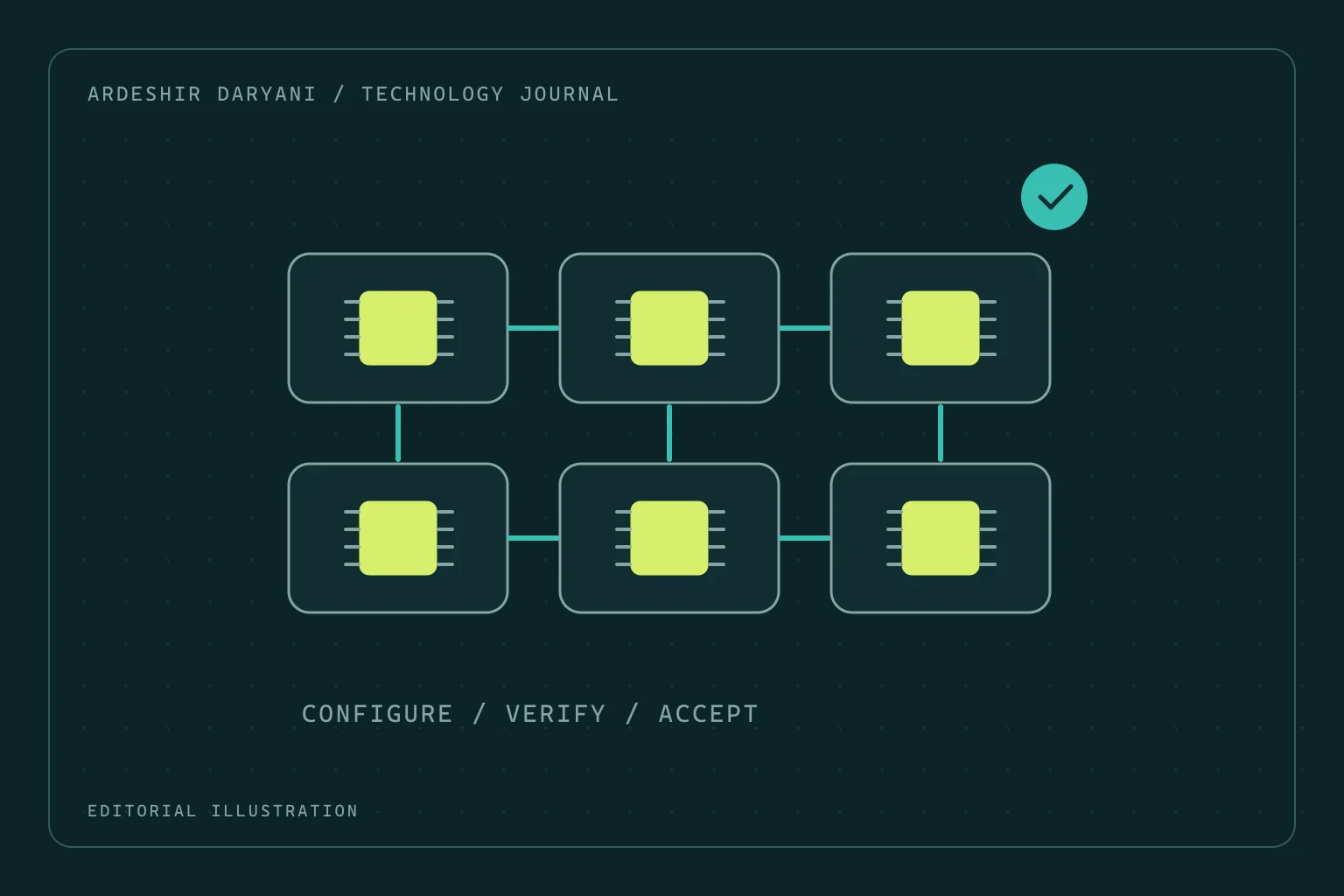
NVIDIA’s Kubernetes Update: Prove the Cluster Is Ready
Why is a running container insufficient for a GPU purchase? Examine acceptance criteria, stack compatibility and infrastructure test evidence.
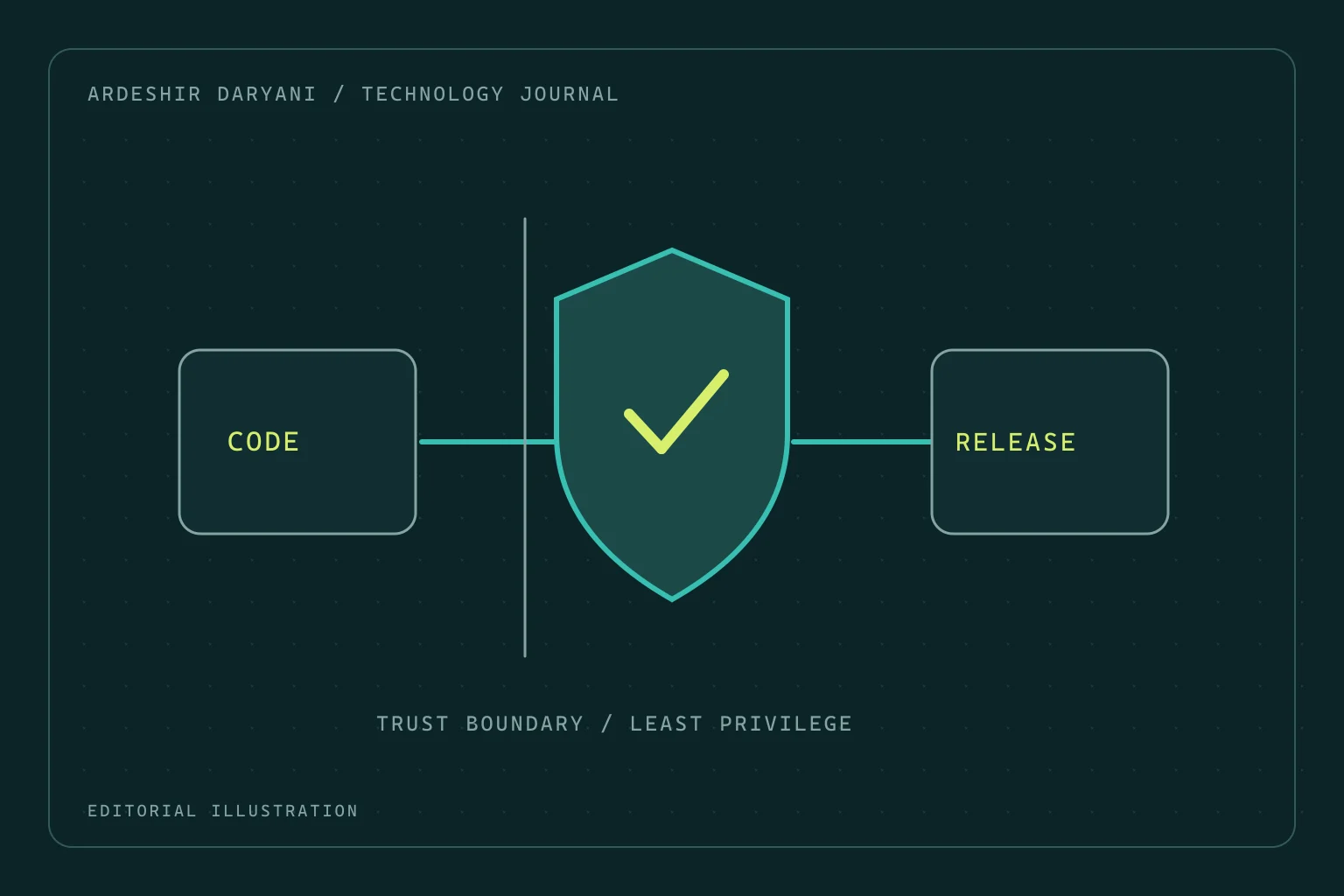
GitHub Actions Changes: Time to Review Workflow Trust
Ahead of a public-repository policy change, examine untrusted code, secret access and clear ownership of the delivery pipeline.
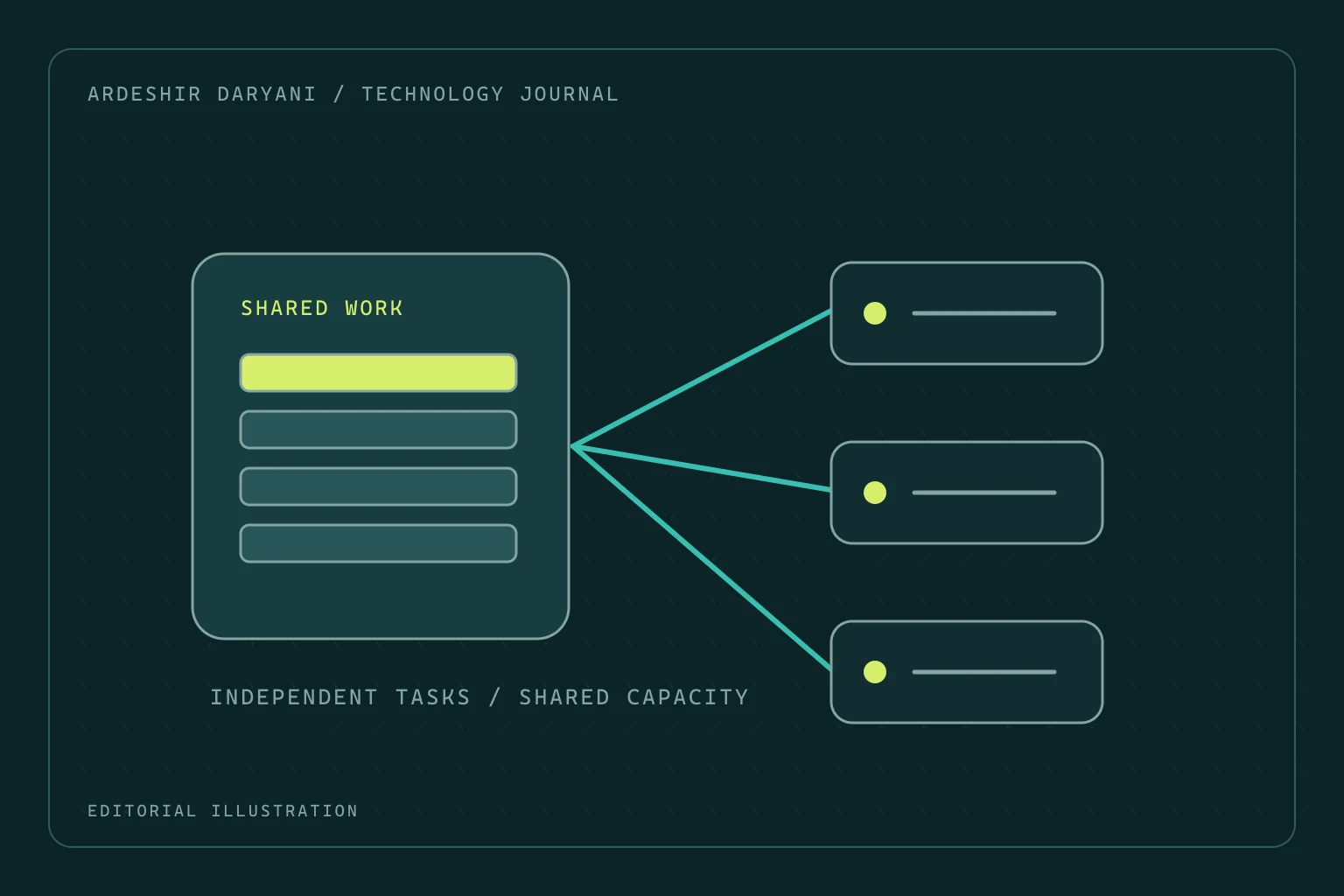
Kafka Queue Mode in Lambda: Parallelism Has a Contract
Before choosing queue processing, assess message ordering, duplicate execution and downstream capacity rather than concurrency alone.