Kafka Queue Mode in Lambda: Parallelism Has a Contract
Before choosing queue processing, assess message ordering, duplicate execution and downstream capacity rather than concurrency alone.
Original source: AWS Compute Blog · News date: 2026-11-02
Confirmed news
AWS added Kafka queue consumption to Lambda; it requires self-managed Kafka version 4.2 or later.
Editorial analysis
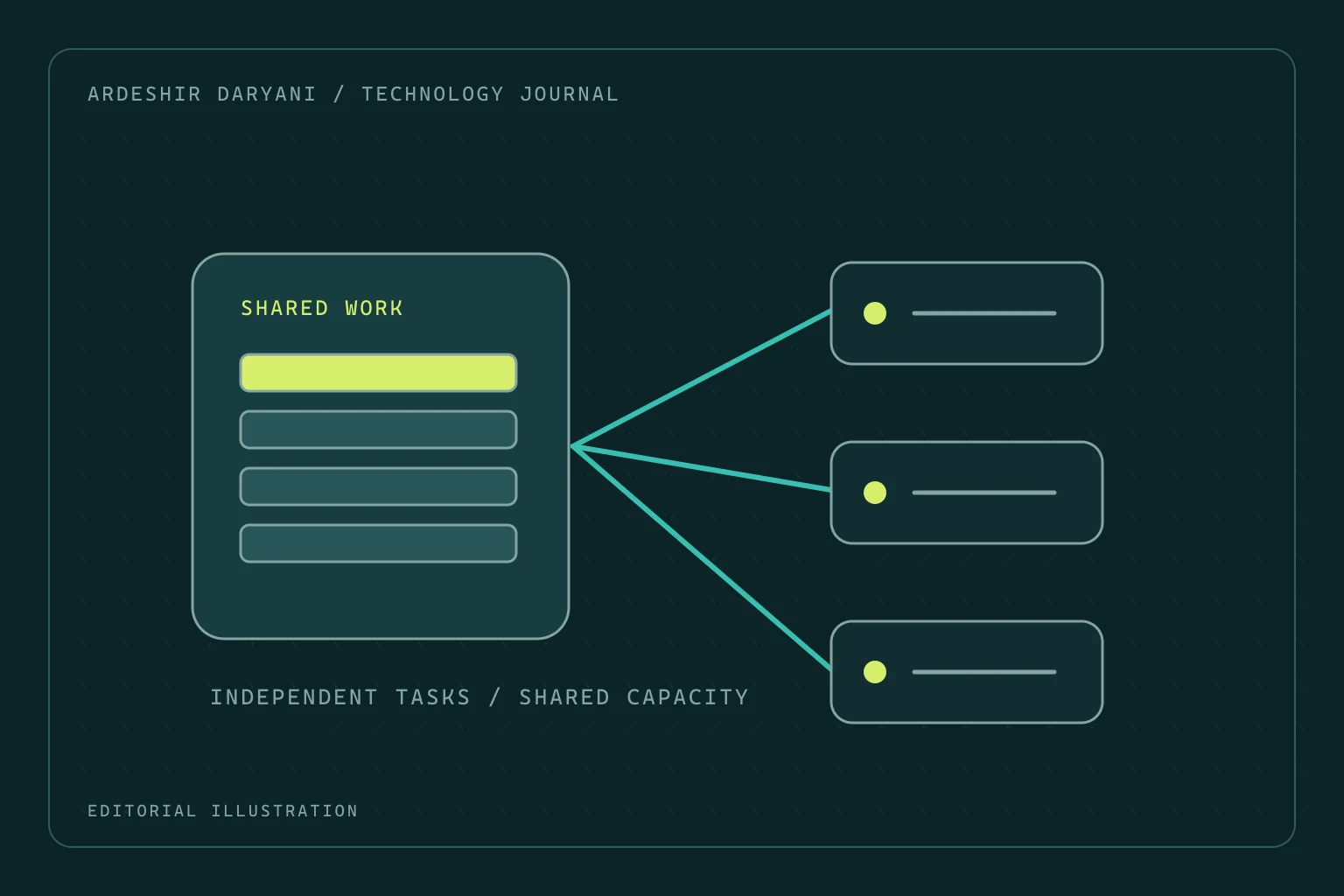
The Share Groups background in Kafka’s documentation explains why the processing contract matters: sharing work among consumers is different from preserving strict order. In our view, the buying question should go beyond how many tasks run concurrently. Independent thumbnail generation is a useful hypothetical example; changing an order’s state may have different requirements because a later event overtaking an earlier one could change the business outcome. Identify those dependencies before choosing the processing mode.
AWS’s announcement also emphasizes the possibility of duplicate execution. Our recommendation is to deliberately repeat a task before increasing concurrency. Suppose processing finishes but recording its acknowledgment fails: running that task again should not create another unintended business effect. Similarly, when the destination has limited capacity, adding consumers can simply move pressure elsewhere. This is an architecture evaluation criterion, not a promise of faster processing or an assertion that every workload benefits.
What to check before deciding
- Separate events whose order matters from genuinely independent units of work.
- Define a deduplication key for the final effect and a review path for failed messages.
- Load-test database and destination capacity together with queue latency.
Practical takeaway
The announcement is most relevant to teams handling independent work. Our suggested acceptance test is correct completion at a predictable cost. More simultaneous executions, by themselves, do not establish that the architecture is better.
Continue reading
All posts →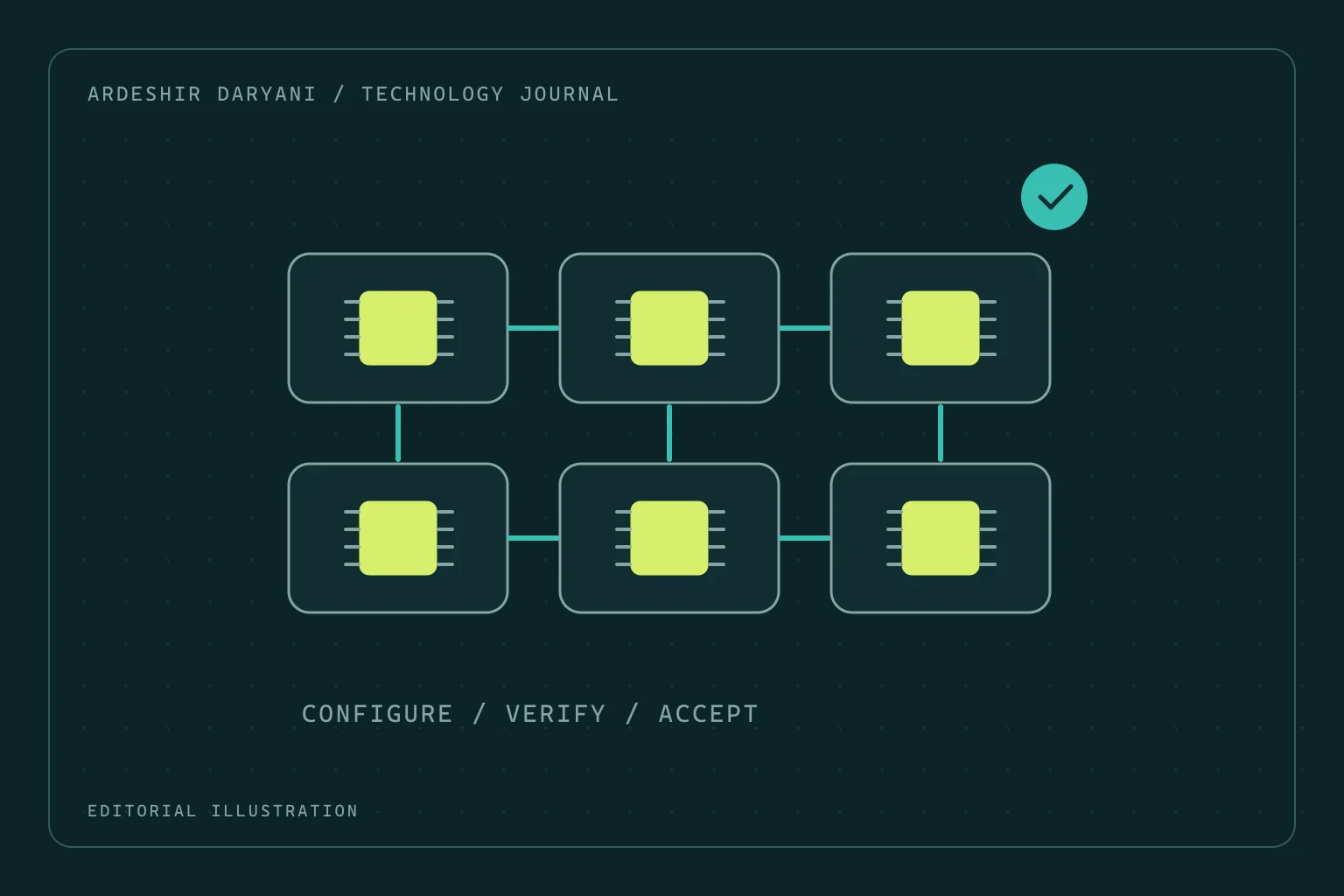
NVIDIA’s Kubernetes Update: Prove the Cluster Is Ready
Why is a running container insufficient for a GPU purchase? Examine acceptance criteria, stack compatibility and infrastructure test evidence.
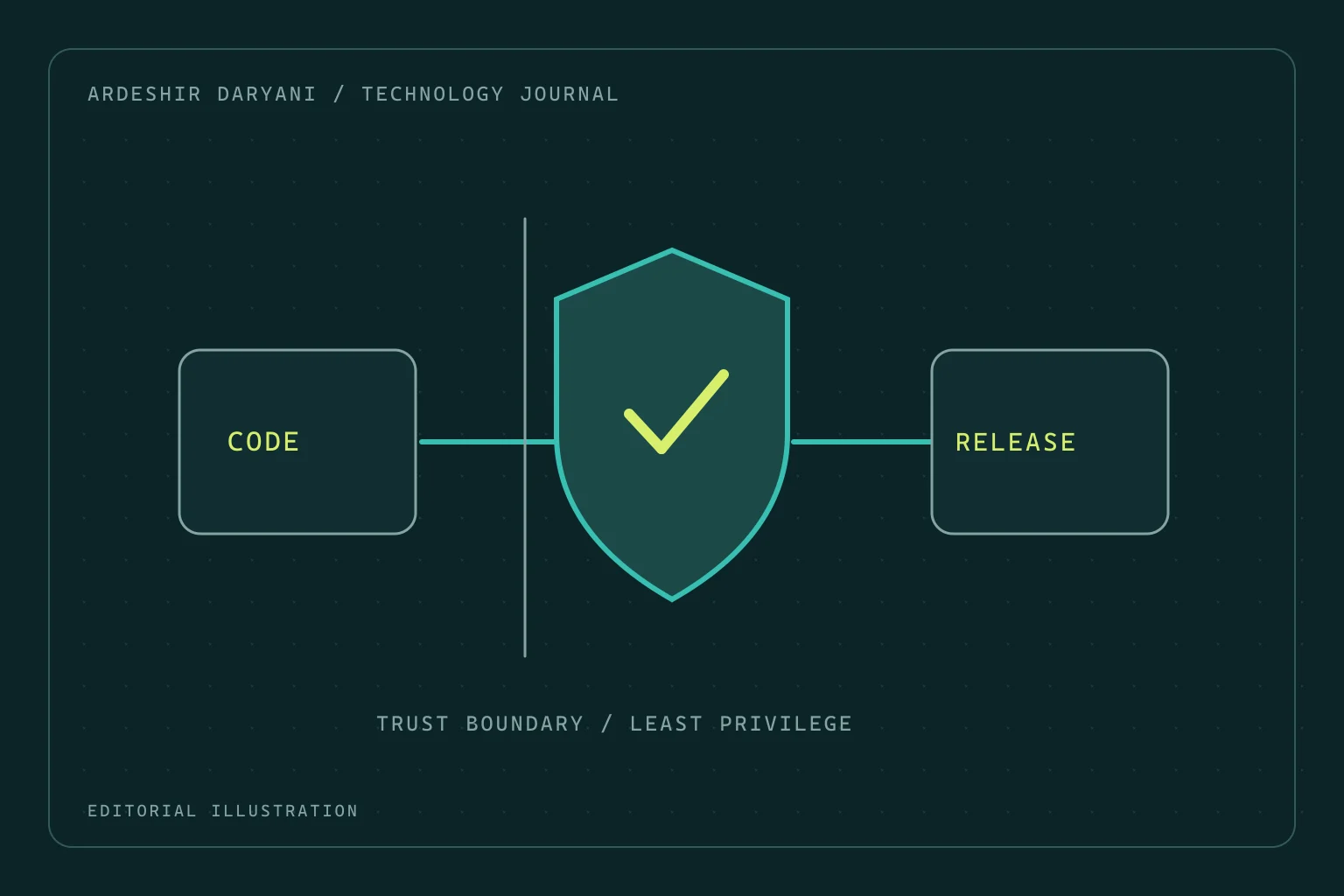
GitHub Actions Changes: Time to Review Workflow Trust
Ahead of a public-repository policy change, examine untrusted code, secret access and clear ownership of the delivery pipeline.
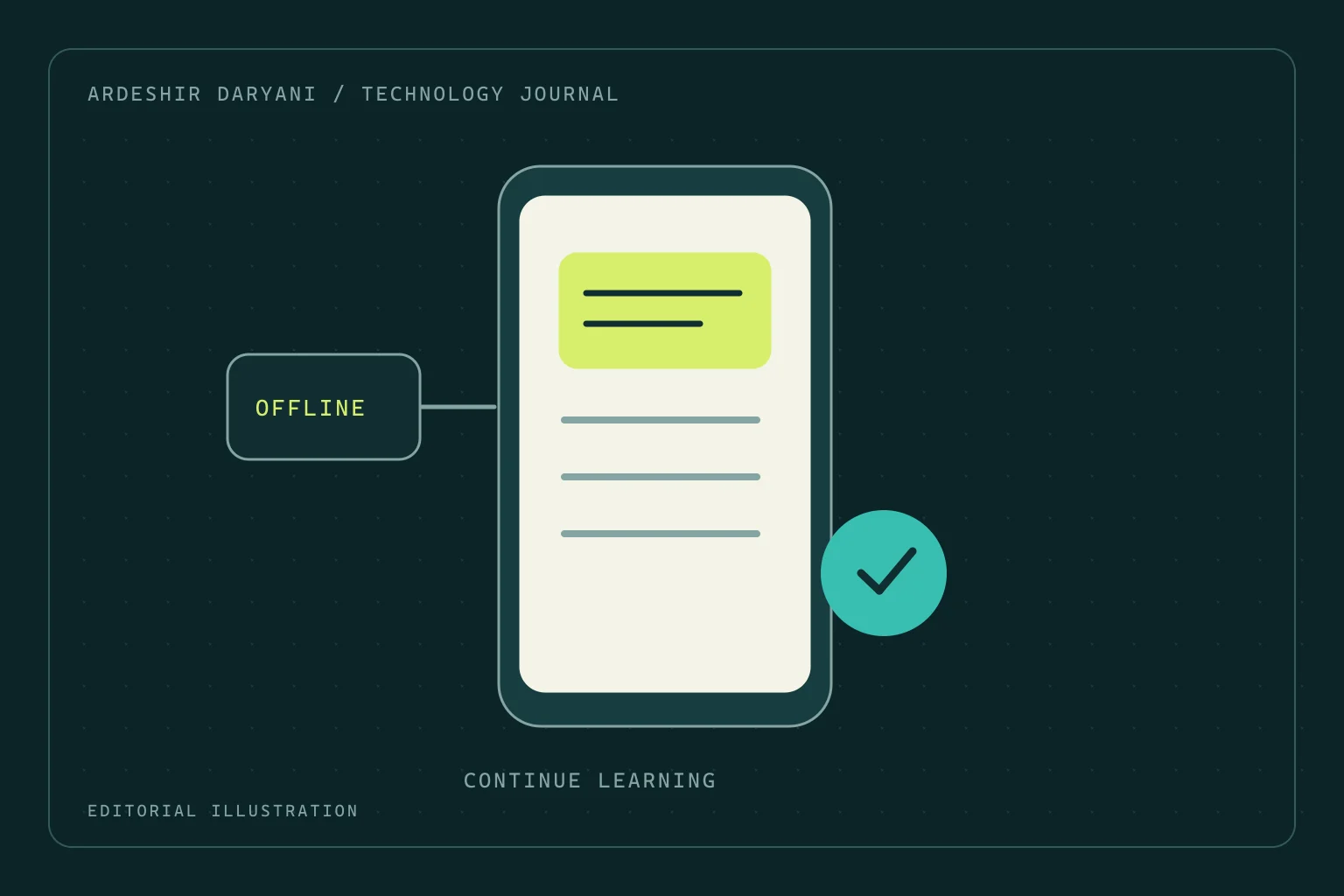
Google’s New Learning Hub Puts Offline Access in Focus
What does digital education need on an unreliable connection? An independent look at continuity, data costs and demonstrable skills.