News, experience and lessons learned
The runbook you need at three in the morning
A one-page service runbook template: purpose, dependencies, logs, health checks, recovery and escalation, without storing passwords in the document.
Five things to record before restarting a server
A concise restart checklist covering affected users, dependencies, active work, recovery access and a meaningful post-restart test.
The server is up. Does the service actually work?
Go beyond ping with a real user scenario, an essential dependency check and an actionable alert. Define what a healthy service means.

A few minutes of clock drift: how much trouble can it cause?
Check Windows domain time sources and synchronization before changing settings. Distinguish clock drift from a time-zone display issue.
Your backup is green. When did you last restore a file?
Test file recovery in a separate location, check content and permissions, and record the actual time needed to return a usable file.
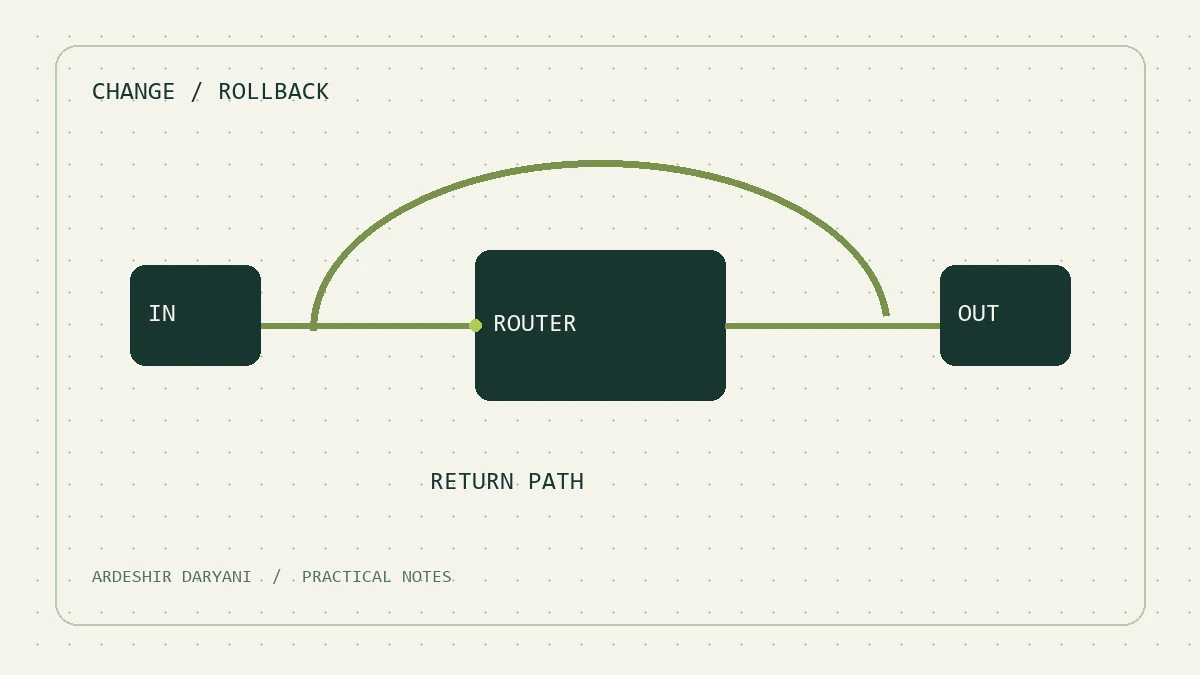
Before changing MikroTik, prepare your rollback
A short checklist for remote MikroTik changes: Backup versus Export, Safe Mode, emergency access and clear rollback criteria.
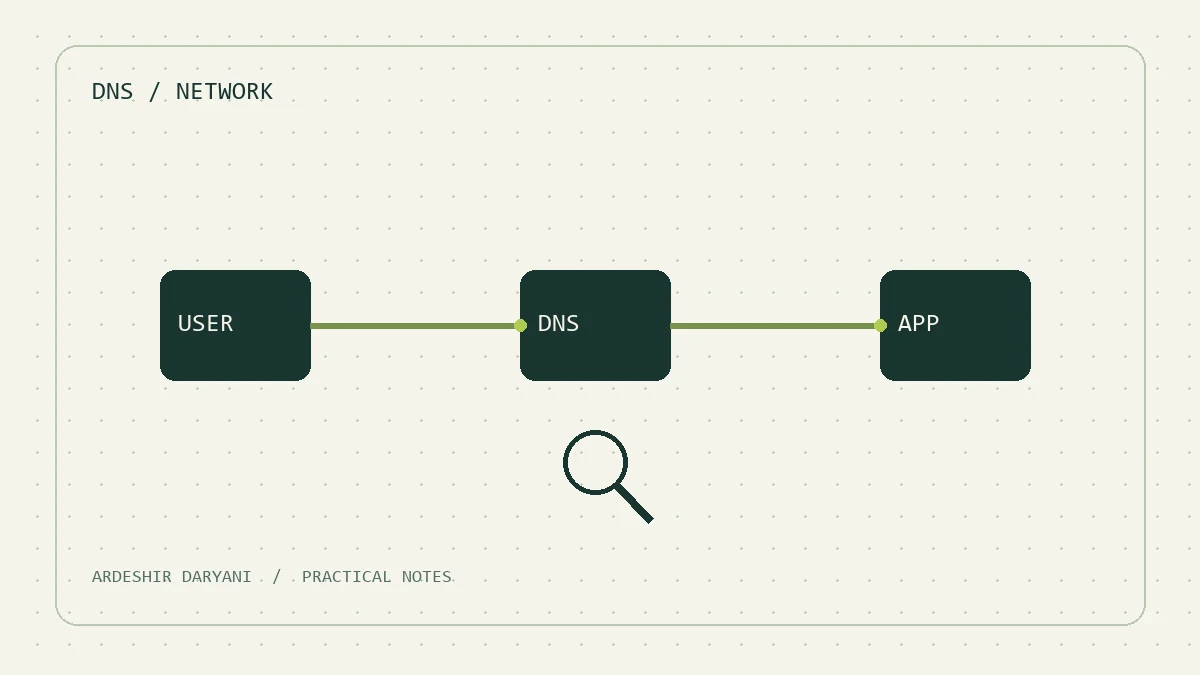
Internet down or just a DNS problem?
A practical checklist to distinguish network, DNS and application failures before changing settings. Read the evidence and choose the next test.

Which vulnerability should we patch first? Severity alone is insufficient
Why is sorting vulnerabilities by base score insufficient? We examine exposure, service importance, EPSS and threat evidence when prioritizing remediation.

Do we solve security by removing passwords?
Passkeys change sign-in, but account recovery and device management still matter. An analysis of fallback access, support processes and phased organizational migration.

Does your company actually need Kubernetes?
Kubernetes adoption alone is not a reason to choose it. We analyze operational costs, team capacity and actual requirements alongside simpler Docker Compose deployments.

We have backups. Why can recovery still fail after ransomware?
Why are backups alone insufficient to restore a business? An analysis of service dependencies, recovery testing and readiness, illustrated by a hypothetical ransomware scenario.

If AI is inexpensive, why does its infrastructure cost so much?
AI costs extend beyond the price of a request. We examine energy, data, human review and maintenance when comparing local execution with APIs and accepted outcomes.