GitHub Actions Changes: Time to Review Workflow Trust
Ahead of a public-repository policy change, examine untrusted code, secret access and clear ownership of the delivery pipeline.
Original source: GitHub Changelog · News date: 2026-11-02
Confirmed news
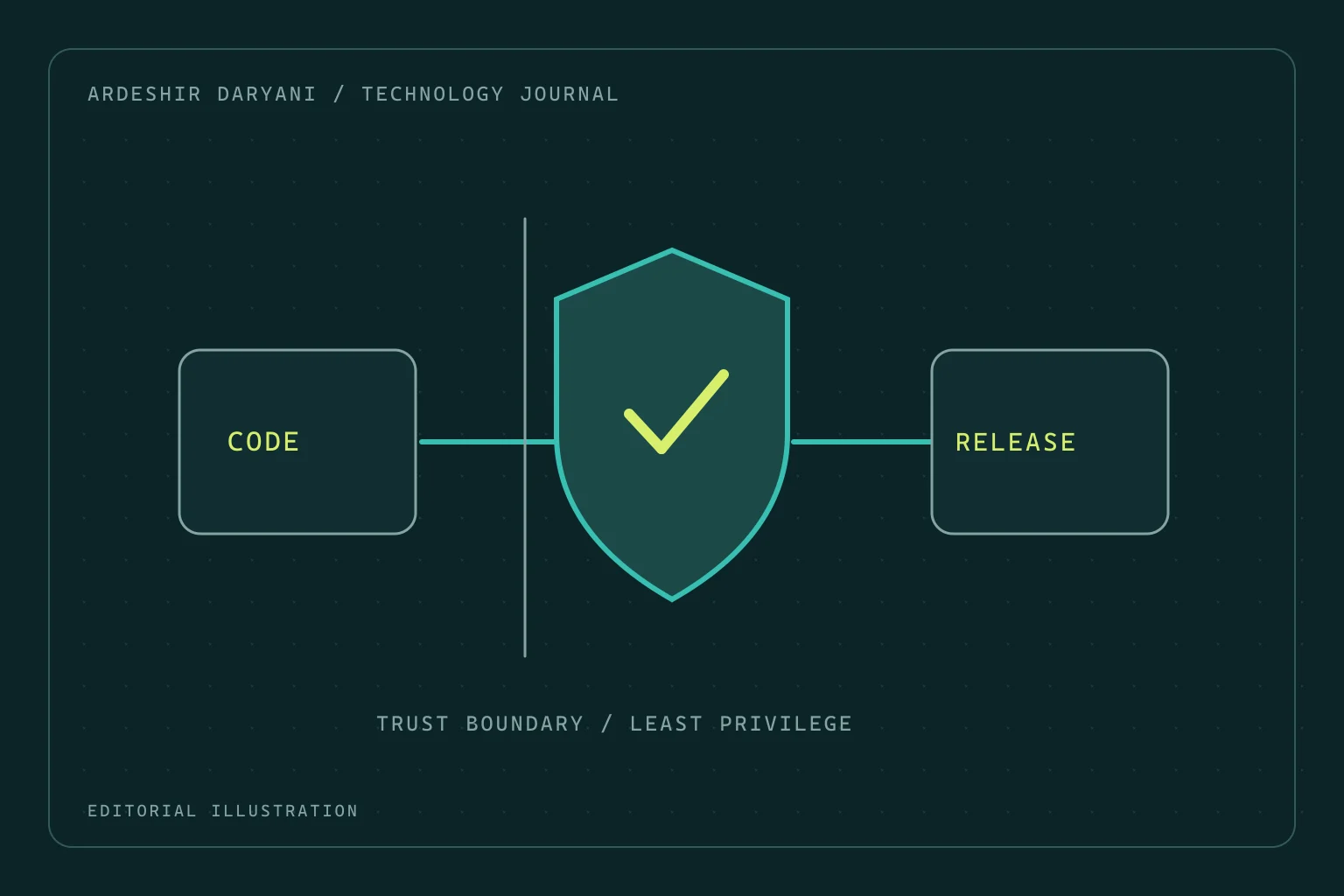
GitHub announced a public-repository default block on pull_request_target for 2026-12-02; private and internal repositories are excluded.
Editorial analysis
GitHub’s technical documentation explains that this event runs in the base repository’s context, and executing untrusted code there can expose sensitive access. Our editorial view is that the right response is not simply adding an exception to keep CI green. First establish what each workflow actually does and whether that specific job needs the authority of this execution context. A familiar trigger name is not a substitute for understanding its trust boundary.
Our practical recommendation is to separate inspection of incoming content from operations authorized to publish. In a hypothetical example, labeling a pull request and running a script supplied by that request are different decisions. A reviewer should understand both the origin of the executed code and the permission consumed at each stage. This is guidance for a review, not a claim that the reader’s repository settings have been changed or that every use of the trigger is unsafe.
What to check before deciding
- Inventory workflows using the event and record a maintenance owner for each.
- Review code checkout paths together with every accessible permission and secret.
- Before the announced deadline, assess the default policy and any genuine need for an exception.
Practical takeaway
Private-repository teams can also use the announcement as a prompt to review trust boundaries, although this specific change excludes them. Success means preserving necessary work with the least required authority, rather than bypassing a new control without an explanation.
Continue reading
All posts →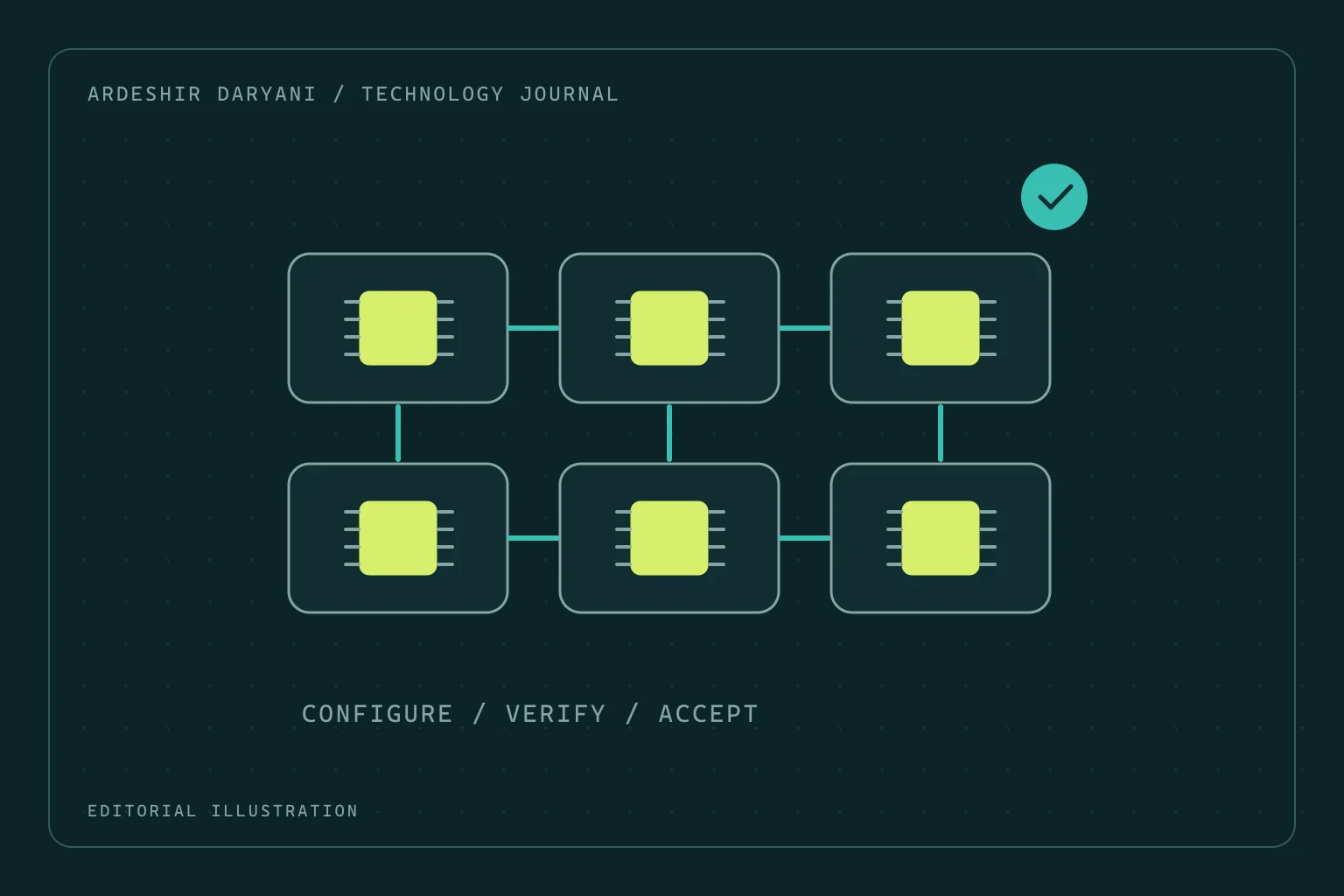
NVIDIA’s Kubernetes Update: Prove the Cluster Is Ready
Why is a running container insufficient for a GPU purchase? Examine acceptance criteria, stack compatibility and infrastructure test evidence.
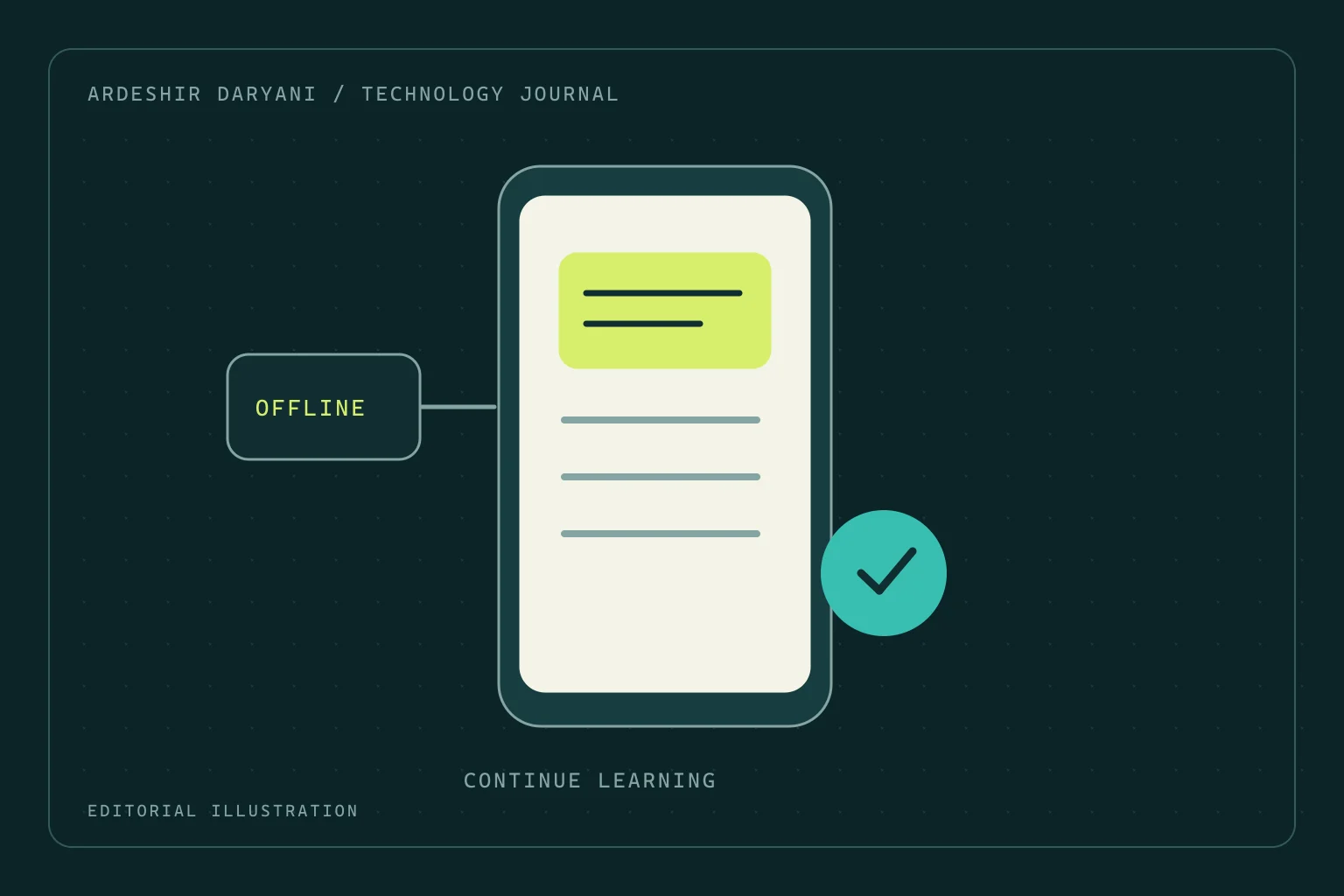
Google’s New Learning Hub Puts Offline Access in Focus
What does digital education need on an unreliable connection? An independent look at continuity, data costs and demonstrable skills.
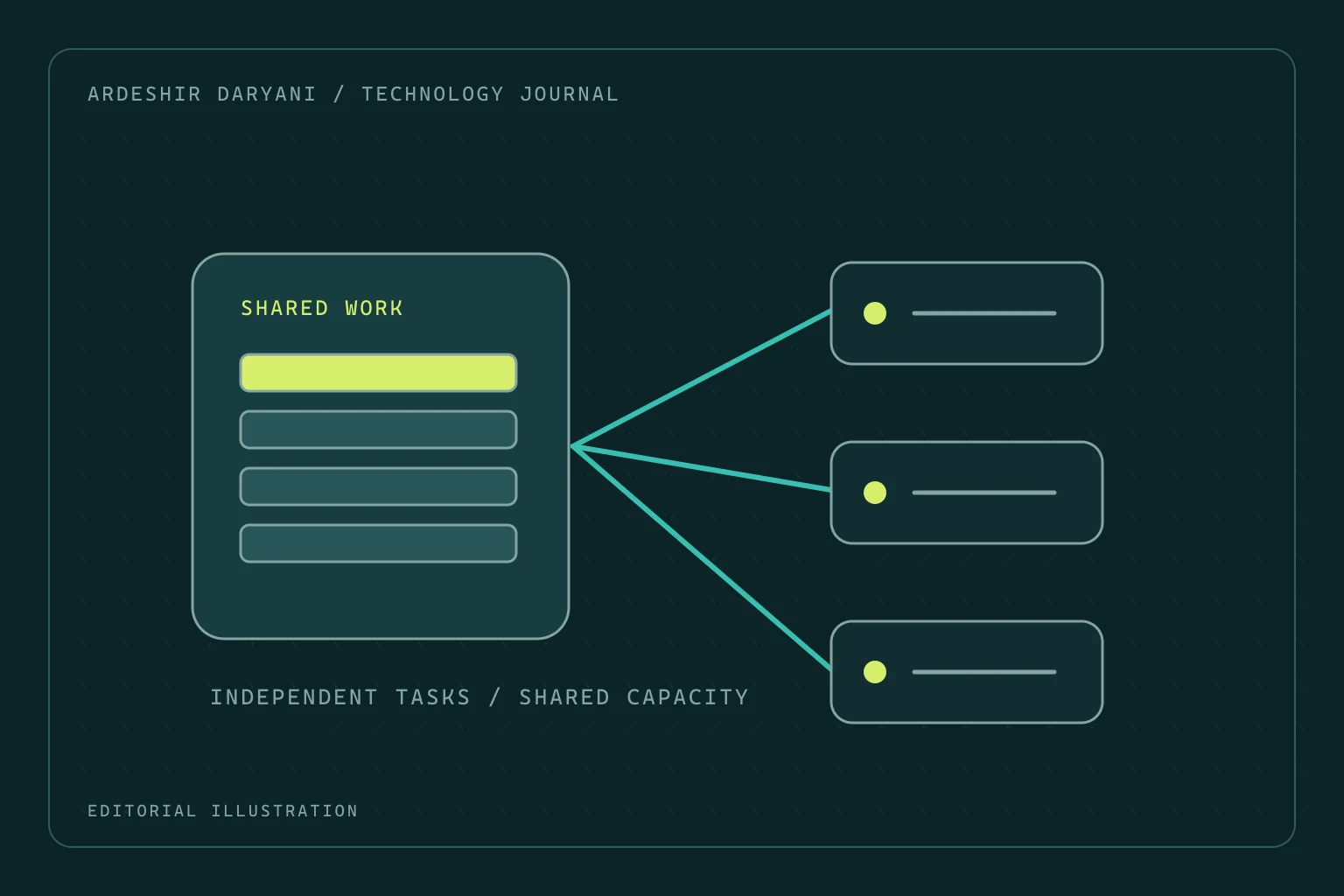
Kafka Queue Mode in Lambda: Parallelism Has a Contract
Before choosing queue processing, assess message ordering, duplicate execution and downstream capacity rather than concurrency alone.